
Rye
A Short Scroll

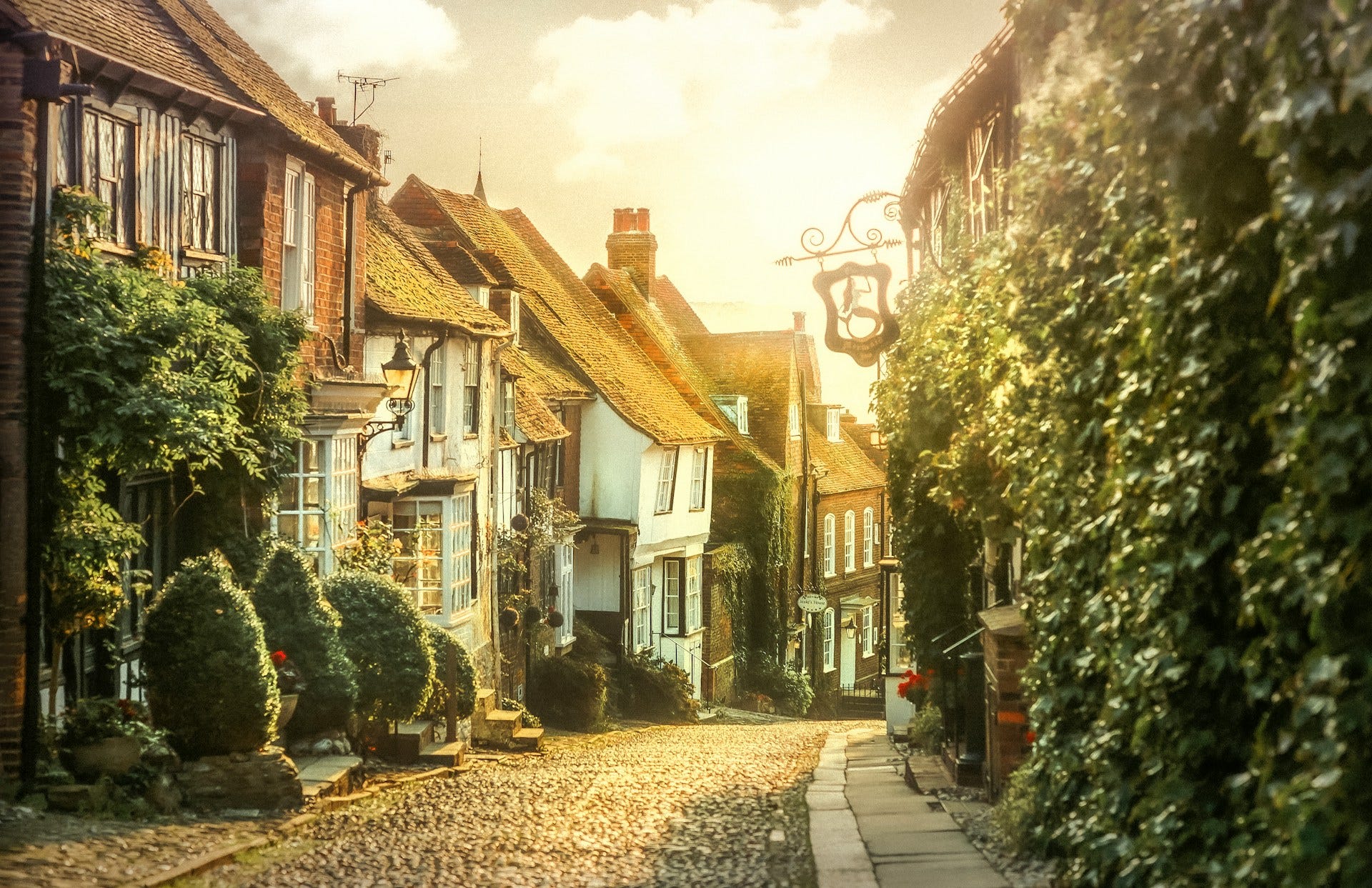
In British cities, we cannot take the simple things for granted. A leisurely walk and a relaxing read at a coffee shop are joys always vulnerable to the cacophonous babble of many discordant elements. Reading a book on public transport can be a non-starter because of the noise of the shamelessly loud whose electronic devices facilitate a state-of-the-art savagery.
Fed up with the fatigue of this and the general Yookayification of Britain, I planned a trip to a part of the country not yet ruined. I went to Rye, East Sussex. Rye’s area is only 4.2km, and it has a population of under ten thousand people. It rests two miles from the English Channel. My decision to stay there for a few days was well rewarded.
Rye is only an hour or so from London by train, but it is a different world entirely from the capital. Here, to my great delight, reminders of the Yookay were not visible save for the odd foreign restaurant. Rye is still very much an English town shaped and populated by English people. I was able to enjoy a sense of home. Not once did I hear the cacophonous babble.
Only once did something unwelcome meet my ear, and I have myself to blame for this. When walking to a nature reserve, I did not check the route sufficiently. My over forty minute journey on foot took me along a busy main road (a bus would have got me there in about ten to fifteen minutes). But even the constant sound of driving cars feels like music compared to what you routinely hear on a bus in London.
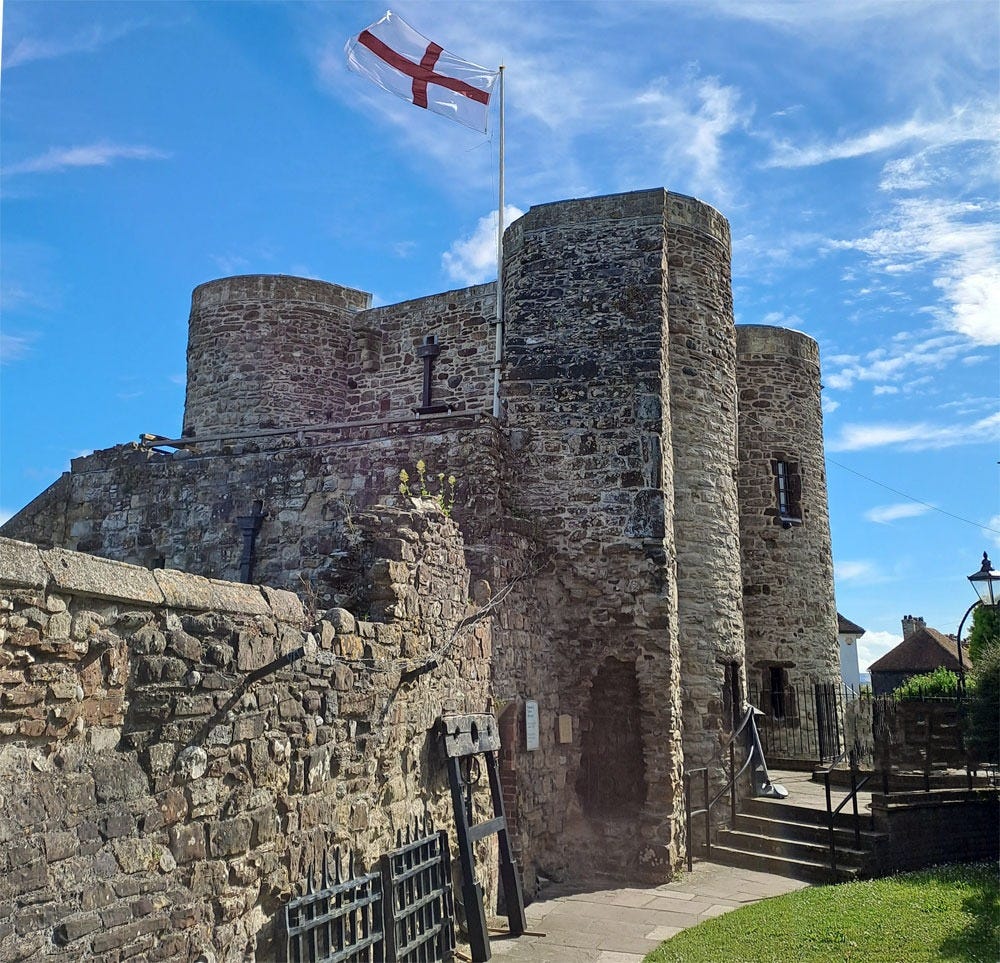
Rye Castle, Lamb House and the Rye Heritage Centre are small attractions that are well worth visiting, but the town’s idyllic streets, beautiful scenery, English shops, the refreshing absence of major brands or signs of globalisation, and the general sense the place provides of feeling like one is England are the things I am most thankful for.
The only major high street shop I saw was Boots. The rest of the outlets are independent, and this gives Rye a distinctive feel. Apart from a couple of upmarket clothes stores, most of what is on offer falls into the categories of bric-a-brac and not very high value antiques. Although there is definitely a charm to the displays, and seeing an array of products with an English aesthetic was good for my soul, I do wonder how these businesses survive. Long may they continue.
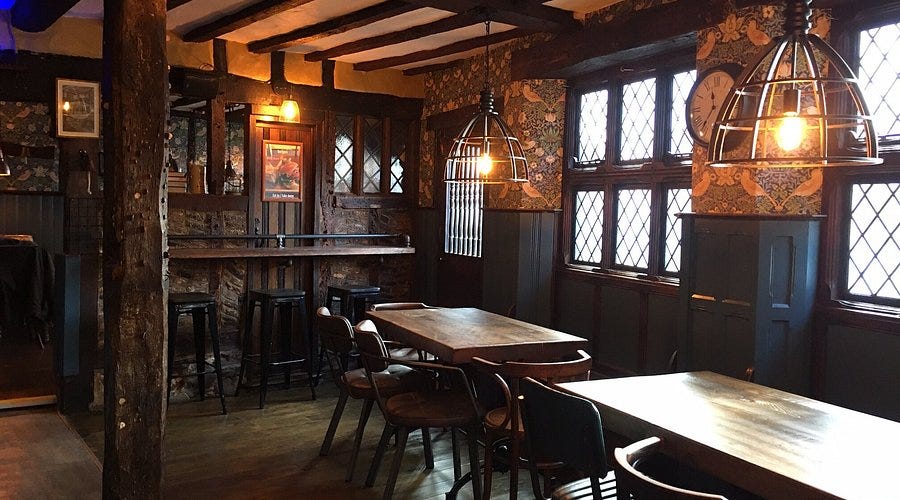
Rye has no shortage of places to eat and drink. There are British restaurants, bakeries, sweet shops, and tea rooms. Coffee shops abound as do traditional pubs. It is the perfect place for a reading holiday.
Harvey’s Sussex Best Bitter was on tap in every pub I went to except one. This being the case, you are guaranteed at least one quality ale in almost every establishment you enter. Ye Old Bell Inn was the oldest pub I visited. Its low ceiling and wooden fittings create a cosy ambience. The William Morris type decoration on the walls is a nice touch.
Documentary makers should capture the way of life that prevails in Rye lest too many of our people come to think that the catastrophic social and cultural decline evident in other parts of Britain is normal.
I definitely recommend a visit to this outpost of England as a place for repose.
Likes, re-stacks and comments are always appreciated.
I did intend to post in August but things got in the way. In the coming weeks more regular service will resume. Pieces on Rudyard Kipling, Roger Scruton, Thomas Carlyle, and Box Britain are in the works.
RAISE THE COLOURS
Speaking of old documentaries the BBC archive on YouTube releases a bunch of them and they are honestly fascinating snapshots of what once was. I'm surprised they are released as is and have a cynical belief in a few years the powers that be will be using technology to insert more diversity into the background shots....
Hopefully Yvette Cooper isn’t reading this—otherwise the local pub might be repurposed into a migrant sorting facility by next week. I’ve heard they target the most peaceful spots for maximum disruption.